Deal Red Flags: 12 Warning Signs Every Real Estate Investor Needs to Recognize
The difference between investors who build lasting portfolios and those who get stuck with problem properties isn't luck. It's the discipline to run thorough due diligence and the pattern recognition to know what warning signs actually mean.
Market focus: Detroit & Michigan
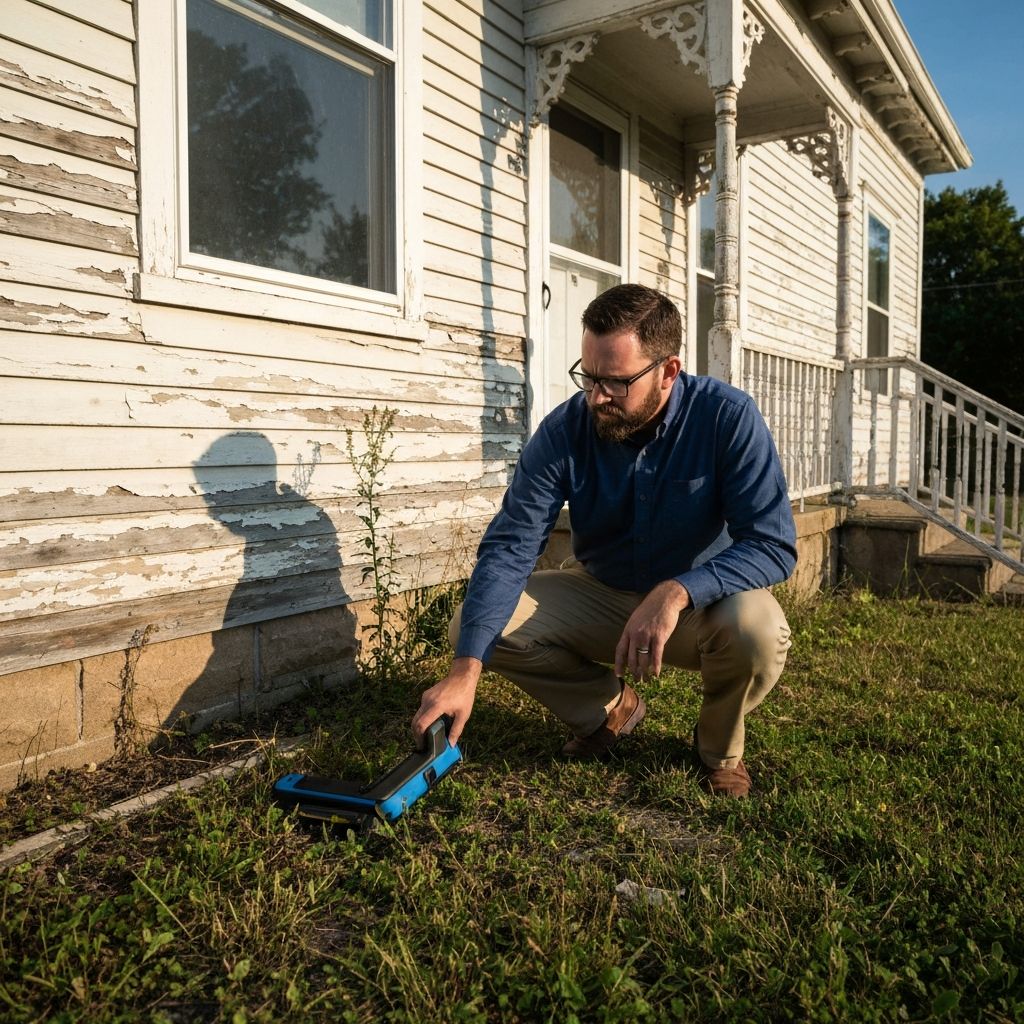
Every experienced real estate investor has a story about a deal that looked right until it wasn't. The numbers penciled on paper. The neighborhood seemed fine on a drive-by. The seller's asking price felt like a discount. And then — somewhere between offer and close, or worse, close and renovation — the real picture emerged.
This guide covers the 12 most significant red flags in residential real estate deals — organized by where they appear in the process — with specific attention to Detroit and Michigan market dynamics that create risks you won't find in a generic investor guide.
Why Red Flags Matter More Than You Think
Most investors approach due diligence as a box-checking exercise. Inspection? Check. Title search? Check. Numbers look okay? Let's close.
The problem is that the most dangerous deal risks aren't the ones that show up on a checklist — they're the ones embedded in optimistic assumptions, in what the seller didn't tell you, in a market dynamic you didn't research, or in a financial model that only works if everything goes right.
One bad deal doesn't just cost you money. It ties up capital, kills momentum, and if the damage is significant enough, it can set back your entire portfolio by 12–24 months.
Category 1: Financial Red Flags
These are the numbers that don't add up — and the ones that, if you miss them, will define the economics of the deal for years.
Red Flag #1: The Numbers Only Work in the Best-Case Scenario
Every deal has an optimistic scenario, a base case, and a downside case. The question is which scenario your underwriting actually reflects.
Warning signs:
- Rent projections pulled from the top end of the comp range rather than the median
- Vacancy assumption of 0% or 2% in a market where 8–10% is realistic
- No maintenance reserve budgeted (5–8% of gross rent is standard)
- Property management fee excluded ("I'll self-manage") in a model that has no room for it
- Rehab budget based on a contractor's rough estimate rather than a detailed scope
If you strip the optimism out of the numbers and the deal no longer works, that's not a deal that pencils — it's a deal that pencils on paper only.
What to do: Run three scenarios — conservative, base, and optimistic. The deal needs to be survivable in the conservative scenario and acceptable in the base case. If the only scenario where it works is the optimistic one, walk away or renegotiate.
Red Flag #2: The Seller's Expense Numbers Don't Match Reality
Sellers — especially on income-producing properties — have an incentive to show low expenses. The lower the expenses, the higher the apparent net operating income, the more valuable the property looks.
Common underreported expenses to watch for:
- Property taxes listed at owner-occupied rates — In Detroit, a seller who's lived in the property may be paying taxes at the 18-mill PRE rate. The moment you buy it as an investor, you're at 70 mills. That gap can be $200–$350/month.
- Deferred maintenance not reflected in any line item — A roof that hasn't been replaced in 20 years isn't free.
- Insurance quoted too low — Investment property insurance in Detroit runs higher than owner-occupied.
- "Owner does maintenance" — This is code for "we haven't calculated what maintenance actually costs."
- Water and sewer excluded — In Detroit, water/sewer bills can be substantial.
Red Flag #3: Projected Rent Has No Comp Support
"This property will rent for $1,500/month" means nothing without comparable active and closed rental listings to support it.
Overestimating rent by $150/month doesn't sound like much. Over a year it's $1,800. Over five years it's $9,000 — plus the compounding effect on your DSCR calculation that may have determined whether the deal got financing at all.
Category 2: Property Condition Red Flags
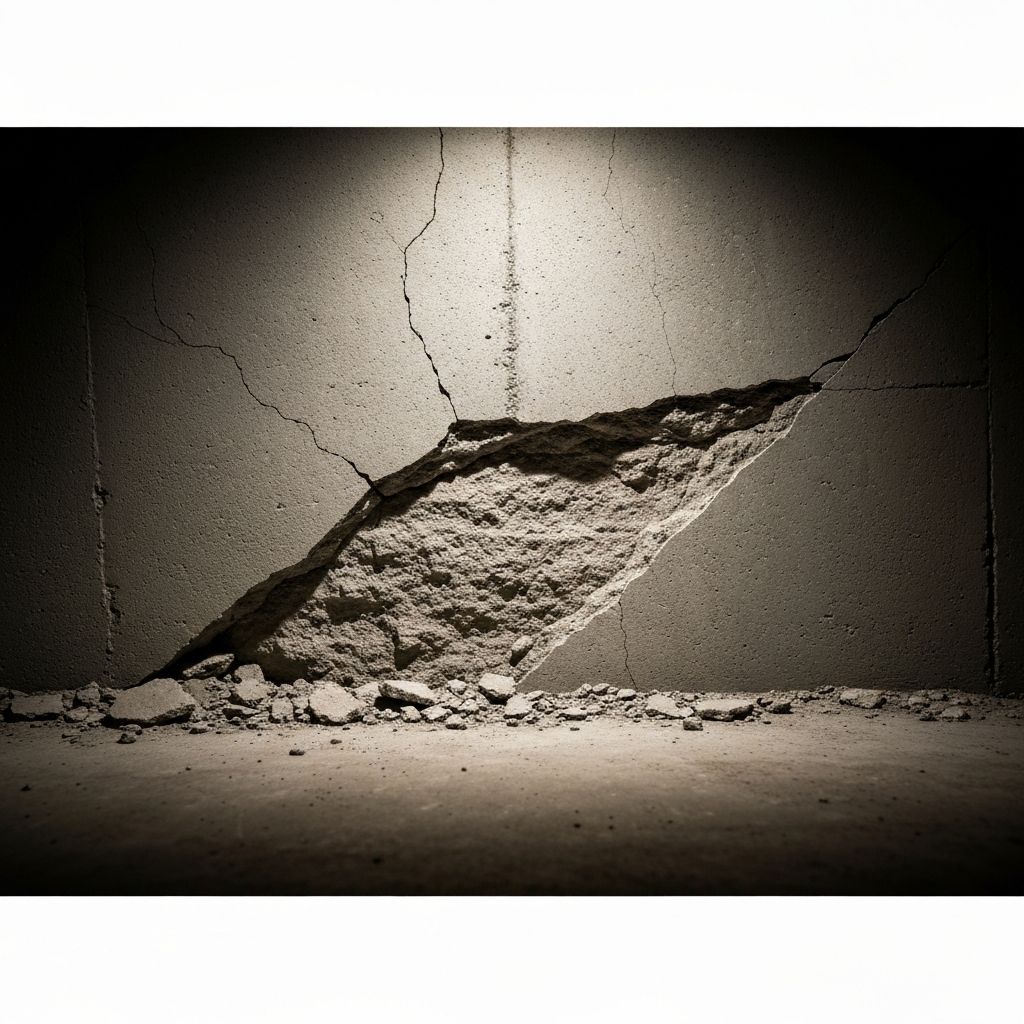
The physical property is where deals quietly become expensive. These red flags don't always kill a deal — for BRRRR investors specifically, a property with deferred maintenance is often the point — but they have to be correctly priced, not ignored.
Red Flag #4: Fresh Cosmetics Over Unknown Systems
New paint, new flooring, updated fixtures. On a distressed property listing, these can be legitimate rehab work. Or they can be a fresh coat of paint over a property with a 25-year-old roof, original knob-and-tube wiring, a cracked foundation, and an HVAC system on its last season.
Signs to watch for:
- New paint in a house that clearly has old mechanicals
- Fresh carpet over uneven or soft subfloor
- Recent bathroom updates but original plumbing throughout
- Evidence of moisture covered by recent finishing work
- A price that's too reasonable for the quality of cosmetic updates visible
Red Flag #5: Structural or Foundation Issues
Foundation problems are some of the most expensive repairs in residential real estate — and some of the hardest to get financed around.
Signs include:
- Doors and windows that stick or don't close properly
- Visible cracks in the foundation (horizontal cracks are especially serious)
- Floors that slope noticeably
- Gaps between walls and ceilings or floors
- Evidence of previous repair attempts — which indicate known issues, not resolved ones
In Detroit specifically, foundation repairs can range from $5,000 for minor crack sealing to $40,000+ for significant structural remediation.
Red Flag #6: Environmental Hazards
Detroit's industrial history and the age of its housing stock create specific environmental risks:
- Lead paint: Properties built before 1978 have a high probability of lead-based paint. Lead-safe work practices add cost and time.
- Asbestos: Present in many properties built before 1980, often in insulation, floor tiles, and popcorn ceilings.
- FEMA flood zones: Properties in designated flood zones require flood insurance, which affects DSCR.
Category 3: Market and Location Red Flags
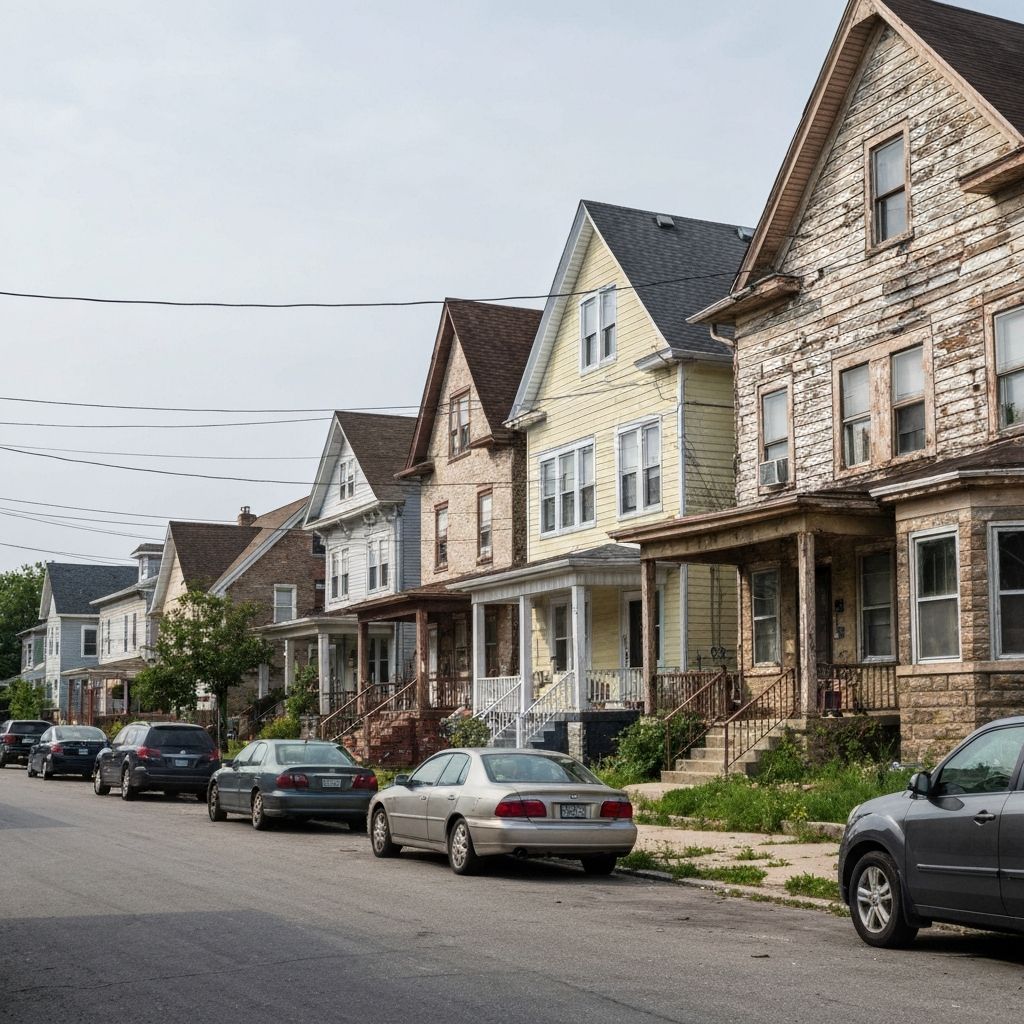
You can renovate a property. You cannot move it.
Red Flag #7: Neighborhood Trajectory Is Going the Wrong Direction
Detroit is a city of micro-markets. Two properties four blocks apart can have meaningfully different investment profiles.
Signs a sub-market is trending the wrong direction:
- Increasing vacancy on the block and surrounding streets
- Properties sitting on the market for extended periods
- Declining sold comp prices over the trailing 12–18 months
- Municipal service quality issues — streetlights out, overgrown lots
Signs a sub-market is stabilizing or improving:
- New construction or major rehab activity visible nearby
- Anchor investments in the pipeline or recently completed
- Days-on-market declining and sold prices increasing
- City investment in infrastructure
Red Flag #8: Comparable Sales Are Sparse or Stale
Thin comp data is a risk multiplier. If the last three comparable sales in the neighborhood were 14, 18, and 22 months ago, your ARV estimate is working from a small, outdated sample.
Red Flag #9: Demand Can't Support the Rent You Need
A 4-bedroom single-family in a neighborhood with almost no demand for large rentals is going to sit vacant — regardless of how good the renovation is. The numbers only work if there's a real tenant at the end of them.
Catch Red Flags Before You Make an Offer
Homestream automatically surfaces financial red flags, thin comp data, and tax calculation errors — before you're deep in a deal you shouldn't be in.
Try Homestream FreeCategory 4: Deal Structure and Seller Red Flags
These are the signals in the process itself — what the seller is doing and not doing — that tell you something you need to know.
Red Flag #10: Seller Urgency Without a Clear Explanation
A motivated seller isn't automatically a red flag. But urgency combined with resistance to due diligence is a different thing.
Watch for:
- Pressure to waive inspection or shorten due diligence period
- Reluctance to provide documentation
- Unwillingness to answer direct questions about property history
- Property being relisted after a previous deal fell through
Red Flag #11: Title Issues, Liens, and Clouded Ownership
In Detroit specifically, title issues are more common than in most markets due to tax foreclosures, estate situations, and probate complications.
Red flags to watch for:
- Unpaid property taxes or tax-delinquent status
- Outstanding mechanic's liens
- Unresolved probate
- Multiple ownership interests
- Prior tax foreclosure and redemption history
Red Flag #12: The Numbers Were Built to Make the Deal Look Good
This is the meta red flag — and it often shows up in wholesale deals, seller-provided proformas, and deals sourced from people who have a financial incentive for you to buy.
Signs the underwriting was built to sell, not to be accurate:
- Rent projected at the top of the range with no vacancy assumption
- Rehab budget listed as a single number with no line-item breakdown
- Taxes shown at homestead rate (or missing entirely)
- A cap rate that looks materially better than comparable deals
The discipline is to build your own model, from scratch, using conservative inputs — and to treat the seller's proforma as marketing material, not analysis.
How Homestream Catches Red Flags Before You Do
When you enter a property address on Homestream:
- Financials are modeled correctly from the start. Detroit's 70-mill non-homestead tax rate is calculated automatically. Rent is pulled from market comps, not seller projections.
- ARV is calculated using real comp data. You can see immediately whether the comp pool is thin (a red flag in itself) or robust.
- DSCR is calculated with real numbers. The output reflects what a lender will actually underwrite.
- The neighborhood scorecard surfaces location signals. WalkScore data and neighborhood analytics give you a baseline read.
Red Flags vs. Deal-Killers
Not every red flag is a deal-killer. For BRRRR and fix-and-flip investors, distressed properties with deferred maintenance are often exactly the point. The discount exists because of the problem.
The question is never "does this property have issues?" It's "are the issues correctly priced into what I'm paying, and is my rehab budget realistic about what it costs to fix them?"
Quick Reference: Deal Red Flag Checklist
| Category | Red Flags |
|---|---|
| Financial | Numbers only work in best-case scenario Seller's expense figures don't match market Rent projection unsupported by real comps |
| Property Condition | Fresh cosmetics over aging systems Signs of structural/foundation issues Environmental hazards (lead, asbestos, flood zone) |
| Market & Location | Neighborhood trajectory is negative Comp data is sparse or stale Rental demand insufficient |
| Deal Structure | Seller urgency with resistance to due diligence Title issues, liens, or clouded ownership Underwriting built to sell, not to be accurate |
Final Thoughts
The best deal you ever make is often the one you didn't make. Capital protected is capital available for the next opportunity — the one where the numbers are real, the seller is transparent, the comps are solid, and the risk is correctly priced.
Developing red flag recognition takes experience. It also takes a systematic approach to underwriting every deal the same way — so the outliers become obvious rather than hidden in optimistic assumptions.
Analyze Your Next Deal with Confidence
Homestream automatically calculates Detroit's non-homestead taxes, pulls real rent comps, and surfaces thin comp data before you make an offer.